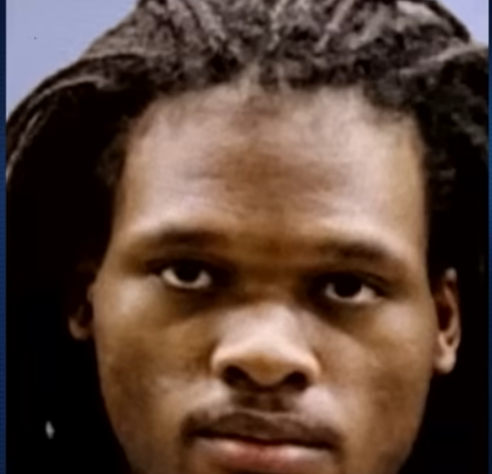
A 21-year-old with documented mental health breakdowns and prior Secret Service run-ins walked up to a White House checkpoint last Saturday, pulled a revolver from his bag, and opened fire. Secret Service agents returned fire, killed the gunman, and a bystander got hit. President Trump was inside, unharmed. This wasn’t some sophisticated plot. It was the predictable result of a system that lectures endlessly about “common-sense gun laws” while letting unstable people slip through the cracks in one of the most restrictive jurisdictions in America. The shooter had no business near the White House, let alone with a gun. Yet here we are again.
The Incident: Another Near-Miss on Trump’s Watch
On Saturday evening, May 23, 2026, around 6 p.m., Nasire Best, 21, from Dundalk, Maryland, approached a Secret Service checkpoint near 17th Street and Pennsylvania Avenue NW. He pulled a pistol from a messenger bag and started shooting. Officers returned fire, striking him. Best died at the hospital. A bystander was wounded but expected to survive. The White House went into brief lockdown. No agents were hit. This marks another security scare in the area during the current administration.
White House shooter killed by security officials
The shooter has been identified as Nasire Best.
Security officials claim the accused was mentally unstable. pic.twitter.com/u7oqvlNw3x
— Sanatan Prabhat (@SanatanPrabhat) May 26, 2026
Best wasn’t unknown. Court records and sources confirm multiple prior encounters. In June and July 2025, he tried forcing entry at White House checkpoints, ignored commands, claimed he was “Jesus Christ,” and wanted to be arrested. He was detained, sent to a psychiatric ward for evaluation, and hit with a stay-away order. He violated it at least once. Living in the DC area for about 18 months, he was on the radar as an emotionally disturbed person with a history of mental health issues.
Who is Nasire Best? Alleged White House shooter killed by Secret Service
Read More: https://t.co/qgqt7PCO01 pic.twitter.com/ThQen1XhJW
— The Bold East Africa (@BoldEastAfrica) May 26, 2026
How Did He Get the Gun? The Loophole Reality in “Strict” DC
Washington, DC, boasts some of the harshest gun laws in the nation: full registration, strict permitting, approved handgun rosters, bans on many semi-automatics and large-capacity magazines, waiting periods, and prohibitions on carry in most places. Federally, people adjudicated as mentally defective or involuntarily committed are prohibited from possessing firearms. Best had psychiatric holds. So how did he arm himself?
The system failed at multiple points. DC requires registration and background checks through NICS, but reporting of mental health records remains inconsistent. Many short-term involuntary holds and evaluations never make it into the prohibiting database. Best’s commitments appear to have been temporary psychiatric wards rather than formal long-term adjudications that automatically trigger full federal bans and reporting. Even when flags exist, enforcement on prohibited possessors relies on compliance and proactive policing that often falls short in practice.
Guns in DC frequently come through illegal channels—straw purchases from neighboring states with looser rules, theft, or underground markets. Best could have acquired the revolver privately, through a family member, or via the black market without hitting a clean NICS check. DC’s own strict laws create a false sense of security while criminals and the unstable ignore them. The stay-away order and known mental history should have kept him away, but paper barriers don’t stop determined people, especially when mental health treatment fails to keep them off the streets or disarmed.
The Bigger Pattern: Rhetoric Versus Results
This fits a disturbing trend of attacks on Trump and his supporters amid years of inflammatory rhetoric labeling them as threats to democracy. Multiple attempts on the president, rising violence against everyday Americans who back his agenda— all while blue cities with the toughest gun laws suffer the worst crime. DC talks tough on firearms but can’t keep a known unstable individual from showing up armed at the president’s doorstep.
Mental health failures compound the problem. Deinstitutionalization, revolving-door psych wards, and prioritizing “rights” of the disturbed over public safety leave too many unstable people free to act on delusions. Best’s prior incidents screamed red flags. The system processed him, released him, and hoped for the best. America First demands better: real institutional commitment for the dangerously ill, aggressive enforcement against prohibited possessors, and rejection of the lie that more paper laws protect anyone when the underlying culture glorifies disruption and weakens accountability.
The Secret Service did its job in the moment. But the fact that Best got close enough to fire shots exposes gaps that no amount of progressive posturing about “gun control” can fix. When mental health meets easy illegal access in a city that brags about restrictions, innocents pay the price. This incident should end the excuses. Secure the borders of the mind and the actual borders. Enforce existing laws against the prohibited. Stop pretending elite rhetoric and failed systems keep Americans safe. The voters who returned Trump to office expect results, not more thoughts and prayers after the next preventable tragedy.